
Cleaning for Allergies in Your GTA Home

A home can look tidy and still hold the particles that make mornings difficult: dust in bedroom textiles, pet dander along baseboards, pollen tracked in from outside, or mould growing where moisture lingers. Cleaning for allergies is less about making every surface shine and more about removing allergens before they become airborne again. For families across Toronto, North York, Richmond Hill, Aurora, and the GTA, a consistent, detail-first approach can make the home feel more comfortable, fresh, and welcoming.
Start With the Allergens You Can Control
Allergy symptoms have many causes, and cleaning cannot remove every trigger. Seasonal pollen can enter through open windows, while outdoor air quality and individual sensitivities also play a role. What household cleaning can do is reduce the indoor build-up of common irritants, including dust mites, pet dander, pollen, mould spores, and cockroach debris.
These particles collect where daily life happens. Upholstery, area rugs, mattresses, window coverings, vents, and the narrow spaces behind furniture often hold more allergens than visibly dusty tabletops. They are also easily disturbed by walking, sitting down, making the bed, or using a dry duster.
The practical goal is to capture allergens and remove them from the space, not simply move them from one surface to another. That distinction changes the tools and sequence used in an allergy-conscious cleaning routine.
Cleaning for Allergies Starts in the Bedroom
People spend hours each night in close contact with mattresses, pillows, sheets, and blankets. For anyone sensitive to dust mites, the bedroom deserves the most regular attention.
Wash bedding weekly in hot water when fabric care instructions allow it, then dry it thoroughly. Sheets and pillowcases are the priority, but duvet covers, washable blankets, mattress protectors, and pillow protectors also need regular care. Allergy-proof mattress and pillow encasements can be useful for some households, particularly where dust-mite allergies are a confirmed concern.
Vacuum the mattress surface and surrounding floor carefully, paying attention to the bed frame, headboard, and the floor underneath. Dust accumulates quickly in these areas, especially in larger homes with carpeted bedrooms. If possible, reduce decorative cushions, heavy fabric bed skirts, and other textiles that are difficult to wash. The right balance depends on your home and preferences, but fewer dust-catching layers generally mean less upkeep.
Avoid making the bed immediately after waking if the bedding feels damp from overnight use. Giving it time to air out before smoothing it can help reduce retained moisture. A dry, well-ventilated bedroom is less welcoming to dust mites and mould.
Vacuum Properly, Then Damp Dust
A vacuum with a sealed system and a true HEPA filter is often a worthwhile choice for allergy-conscious homes. It is designed to retain fine particles rather than sending them back into the room through the exhaust. For best results, vacuum slowly in overlapping passes and use attachments along baseboards, upholstered furniture, stairs, and beneath beds.
After vacuuming, use a clean, lightly damp microfibre cloth on hard surfaces. Dry dusting can lift fine particles into the air, where they may settle elsewhere or trigger symptoms. Damp dusting captures dust more effectively, provided the cloth is rinsed or changed frequently rather than used to spread dirt between rooms.
Start high and work downward: ceiling fan blades, upper shelves, window ledges, furniture, then floors. This simple order prevents freshly cleaned areas from being dusted again by particles falling from above.
Give Floors, Soft Furnishings, and Entryways More Attention
Carpeting can be comfortable and practical, but it can also retain dust, pollen, and pet dander. Vacuum high-traffic areas at least twice a week, and more frequently when someone in the household has significant allergies or when pets shed heavily. Area rugs need the same care, including the floor underneath and the edges where debris collects.
Hard flooring is often easier to maintain, but it still needs a damp mop after vacuuming. Sweeping alone can stir particles up, particularly on dry winter days when indoor air feels static. Use a clean mop head and avoid soaking wood or laminate floors, as excess moisture can damage finishes and create conditions that support mould.
Upholstered sofas and chairs deserve routine vacuuming with an upholstery attachment. Wash removable covers according to their labels, and clean under cushions where crumbs, hair, and dust settle. For fabric window coverings, vacuum gently with the appropriate tool or arrange periodic professional cleaning. Washable curtains should be laundered regularly, while blinds can be wiped with a damp microfibre cloth.
Entryways are another high-value cleaning zone. Pollen, road dust, and other outdoor particles arrive on shoes, coats, bags, and pets. A quality mat outside and another inside the door can reduce what travels through the home. Ask family members and guests to remove shoes at the entrance, and clean mats often rather than allowing them to become a source of dust themselves.
Control Moisture Before Mould Becomes a Bigger Problem
Mould is not a routine dusting issue. It is a moisture issue first. Bathrooms, basements, kitchens, laundry rooms, and areas around windows are common places to inspect, especially in GTA homes through humid summers and changing seasonal temperatures.
Use bathroom exhaust fans during showers and for a period afterward. Wipe down wet shower walls, squeegee glass doors, and dry bath mats fully between uses. Repair plumbing leaks quickly, empty dehumidifiers as needed, and avoid storing damp towels or clothing in enclosed spaces.
When you see a small area of surface mould, clean it promptly using a product suited to the material and follow the label directions. Never mix cleaning products. Larger mould growth, persistent damp odours, water damage, or recurring moisture should be assessed and corrected at the source. Repeatedly cleaning a visible spot without addressing the leak, ventilation issue, or condensation will not deliver a lasting result.
Choose Products and Methods That Do Not Add Irritation
A strong scent does not mean a space is cleaner. Fragranced sprays, air fresheners, scented laundry products, and harsh chemical fumes can irritate some people, even when they are not the cause of an allergy. Unscented or low-scent cleaning products are often the more comfortable choice for sensitive households.
Eco-friendly products can be effective when matched to the right surface and task. The key is proper use: follow dilution instructions, allow appropriate contact time for disinfecting products, and avoid using more product than needed. Good ventilation also matters when cleaning bathrooms, kitchens, or enclosed rooms.
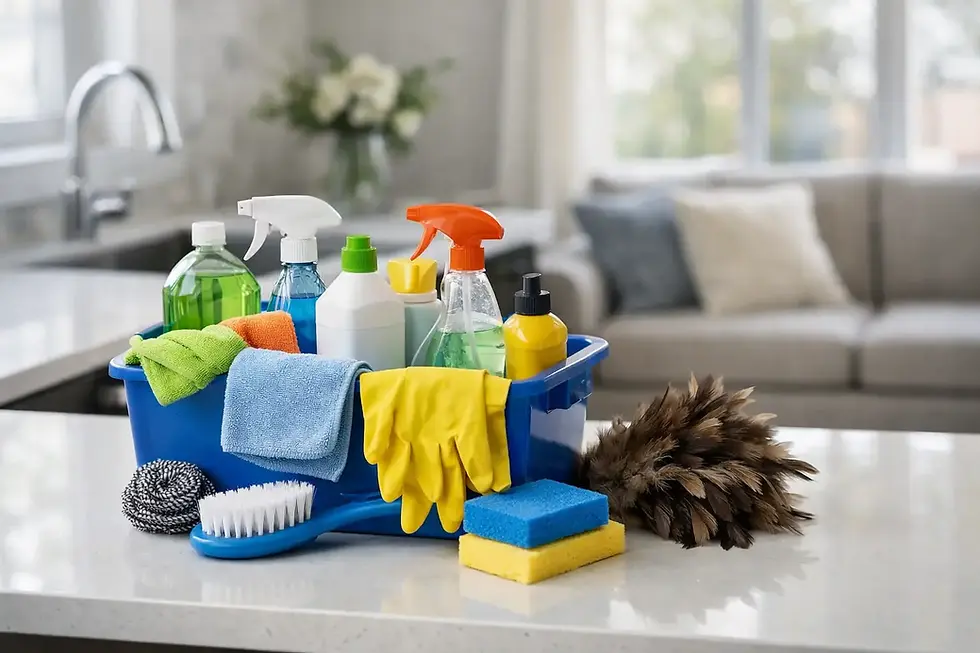
Skip feather dusters and heavily perfumed masking sprays. A dependable kit can be simple: HEPA vacuum, clean microfibre cloths, a damp mop, appropriate surface cleaner, and washable mop heads. Keeping tools clean is part of the process. A dirty vacuum filter, used cloth, or stale mop water can reintroduce the particles you are trying to remove.
Build a Routine That Fits Your Household
Allergy-friendly cleaning works best when regular maintenance prevents a major build-up. Weekly attention to bedding, dusting, vacuuming, and bathrooms is a strong baseline for many homes. Kitchens, entryways, pet areas, and high-touch surfaces may need more frequent care, while curtains, upholstery, vents, and deep carpet cleaning can be scheduled less often.
The right frequency depends on factors such as pets, carpeting, young children, local pollen levels, open windows, and the severity of symptoms. During spring and fall pollen seasons, it may help to vacuum more often, wipe window ledges regularly, and shower or change clothes after spending extended time outdoors.
For busy households, a professional deep clean can reset the areas that are easy to postpone: baseboards, high ledges, blinds, detailed bathroom cleaning, upholstered surfaces, and the spaces behind larger furniture. Arvand Group Cleaning provides tailored cleaning support for GTA homes where a spotless, healthy, and welcoming environment needs more than a quick weekly tidy.
A calmer home often begins with the details that are easy to miss. Keeping allergens from settling into fabrics, corners, and damp spaces gives every room a cleaner feel and gives your household one less thing to manage.


Comments