Creating an Effective Cleaning Checklist for Your Office

Keeping an office clean is more than just a matter of appearance. It directly impacts productivity, health, and the overall atmosphere of your workspace. But how do you ensure that every corner is spotless without missing a beat? The answer lies in creating an effective cleaning checklist tailored to your office’s unique needs. I’m here to guide you through the process, sharing practical tips and insights that will help you maintain a pristine environment effortlessly.
Why You Need an Effective Cleaning Checklist
Imagine walking into your office every morning and feeling confident that everything is clean, organized, and ready for the day. That’s the power of an effective cleaning checklist. It acts as your roadmap, ensuring no task is overlooked. Without it, cleaning can become inconsistent, leading to clutter, dust buildup, and even health risks.
An effective cleaning checklist helps you:
Stay organized: You know exactly what needs to be done and when.
Save time: No more guessing or repeating tasks unnecessarily.
Maintain hygiene: Regular cleaning reduces germs and allergens.
Boost morale: A clean office creates a positive work environment.
Track progress: You can monitor what’s been completed and what’s pending.
By using a checklist, you take control of your cleaning routine and make it manageable, even in busy office settings.

How to Build Your Effective Cleaning Checklist
Creating your checklist starts with understanding your office layout and daily activities. Here’s a step-by-step approach to help you build a checklist that works:
1. Identify Key Areas to Clean
Break down your office into zones such as:
Reception and waiting areas
Workstations and desks
Meeting rooms
Kitchen and break rooms
Restrooms
Hallways and common areas
Each area has specific cleaning needs, so list them separately.
2. Determine Cleaning Frequency
Not all tasks require daily attention. Categorize tasks by how often they should be done:
Daily: Empty trash bins, wipe desks, sanitize high-touch surfaces.
Weekly: Vacuum carpets, clean windows, mop floors.
Monthly: Dust vents, deep clean carpets, polish furniture.
This helps you prioritize and allocate time efficiently.
3. Specify Cleaning Tasks
Be detailed about what each task involves. For example, instead of “clean desks,” specify “wipe desk surfaces with disinfectant, organize papers, and clean computer keyboards.”
4. Assign Responsibilities
If you have a cleaning team or office staff helping, assign tasks clearly. This avoids confusion and ensures accountability.
5. Use a Simple Format
Your checklist should be easy to read and follow. Use bullet points, tables, or digital tools to keep it accessible.
6. Review and Update Regularly
Offices change, and so do cleaning needs. Review your checklist monthly or quarterly to keep it relevant.
By following these steps, you create a practical tool that keeps your office spotless and your cleaning routine stress-free.
What are the 7 Stages of Cleaning?
Understanding the 7 stages of cleaning can elevate your checklist from good to great. These stages ensure thoroughness and efficiency:
Preparation
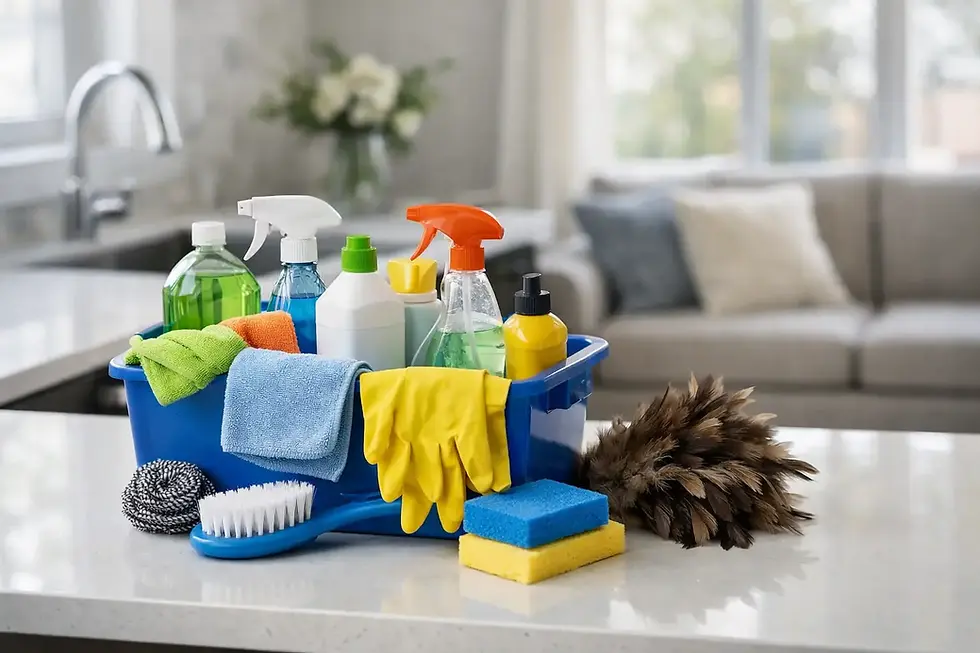
Gather all cleaning supplies and equipment before starting. This saves time and prevents interruptions.
Dusting
Start from the top (shelves, vents, light fixtures) and work your way down to avoid re-cleaning surfaces.
Vacuuming or Sweeping
Remove loose dirt and debris from floors and carpets.
Washing
Clean surfaces with appropriate cleaners, including desks, countertops, and windows.
Disinfecting
Focus on high-touch areas like door handles, phones, and keyboards to kill germs.
Polishing
Apply polish to furniture or fixtures to restore shine and protect surfaces.
Inspection
Check your work to ensure nothing was missed and everything looks clean.
Incorporating these stages into your cleaning routine guarantees a comprehensive approach that leaves your office fresh and inviting.

Tips for Maintaining Your Office Cleaning Checklist
Once your checklist is in place, keeping it effective requires some ongoing effort. Here are some tips to help you maintain it:
Use digital tools: Apps or spreadsheets can make tracking easier and allow for quick updates.
Train your team: Make sure everyone understands the checklist and why it matters.
Set reminders: Use calendar alerts to keep cleaning tasks on schedule.
Encourage feedback: Ask staff for input on what’s working and what needs improvement.
Keep supplies stocked: Running out of cleaning products can disrupt your routine.
Celebrate progress: Recognize when the office stays clean consistently to motivate everyone.
By staying proactive, you ensure your cleaning checklist remains a valuable asset rather than a forgotten piece of paper.
Why a Customized Office Cleaning Checklist Matters
Every office is different. What works for one space might not suit another. That’s why customization is key. Consider factors like:
Number of employees
Type of work done
Office size and layout
Presence of kitchen or break areas
Frequency of visitors
Tailoring your checklist to these specifics makes it more relevant and effective. For example, a tech-heavy office might need more frequent keyboard and screen cleaning, while a creative studio might focus on keeping art supplies and materials tidy.
If you want to get started right away, you can find a ready-made office cleaning checklist that you can adapt to your needs.
Keeping Your Office Healthy and Productive
A clean office is a healthy office. Dust, dirt, and germs can cause allergies, illnesses, and discomfort. By following an effective cleaning checklist, you reduce these risks and create a space where everyone can focus and thrive.
Remember, cleaning is not just about appearances. It’s about creating an environment that supports well-being and productivity. When you take the time to plan and execute your cleaning routine carefully, you invest in the success of your workspace.
Creating and maintaining an effective cleaning checklist might seem like a small step, but it has a big impact. With clear tasks, regular schedules, and attention to detail, you can transform your office into a clean, welcoming place every day. Why not start today? Your future self - and your colleagues - will thank you.


Comments